
Review calls for more research on SGLT2 inhibitor use in ATTR-CM
While SGLT2i may improve survival and cardiovascular outcomes in ATTR-CM, further research is needed to fully evaluate its clinical utility.
While SGLT2i may improve survival and cardiovascular outcomes in ATTR-CM, further research is needed to fully evaluate its clinical utility.

RNAi therapies may reduce heart-related complications in patients with transthyretin amyloid cardiomyopathy (ATTR-CM).
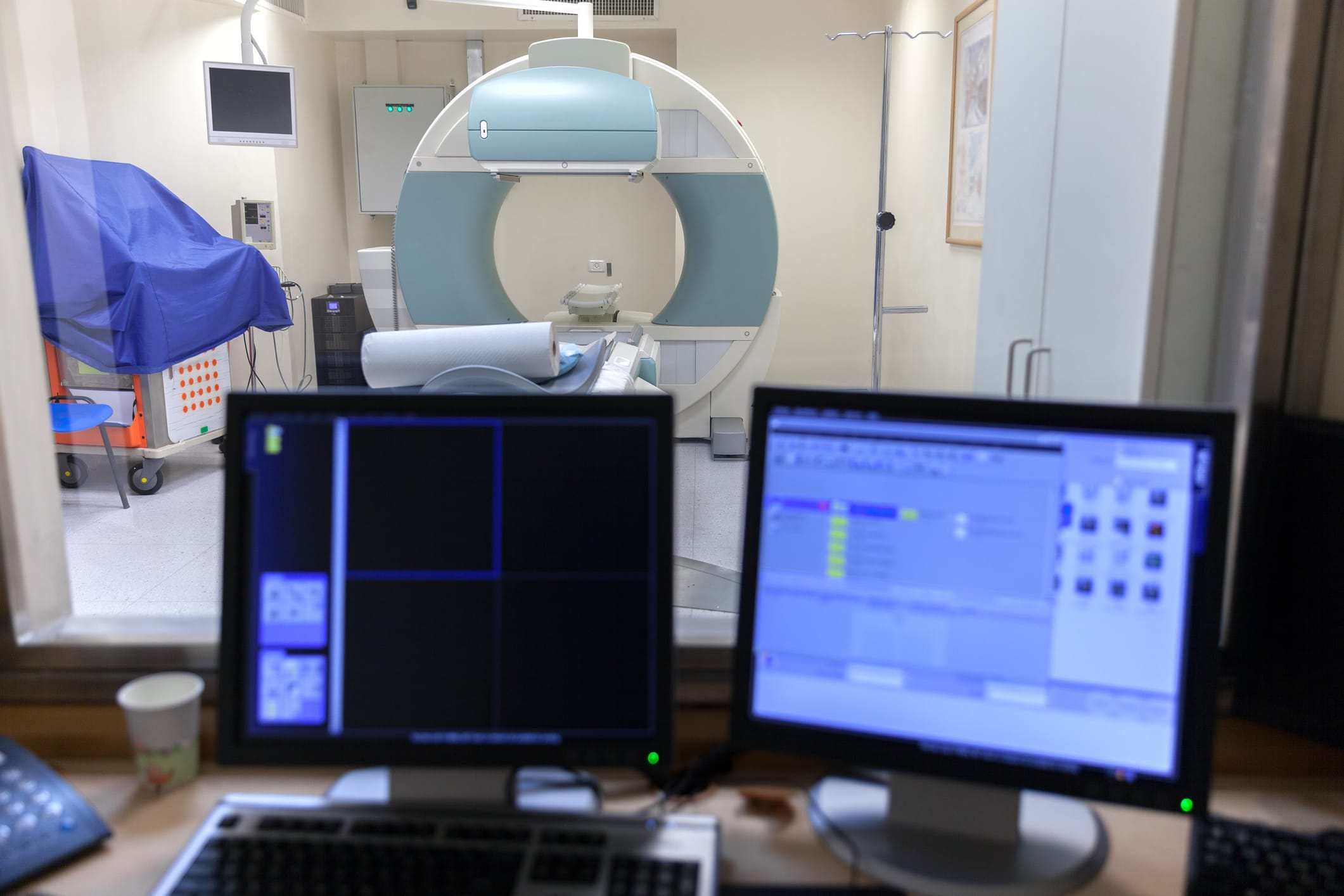
A recent study developed a simple mathematical tool that accurately detects cases of ATTR-CM based on SPECT/CT imaging.

A new study found that a common treatment for atrial fibrillation may improve outcomes for patients with early-stage ATTR-CM.

Acoramidis, a transthyretin stabilizer, has been approved for adults living with ATTR-CM in the United Kingdom.

Drugs that target the transthyretin protein have life-extending potential for patients with ATTR-CM and are safe to use.

Tafamidis and acoramidis reduce mortality and improve quality of life for many patients living with ATTR-CM.

Arrhythmias appear to be a common complication in patients with ATTR-CM and may contribute to an increased risk of mortality.

In a recent study, left atrial dilation and advanced age were identified as predictors of atrial fibrillation in patients with ATTR-CM.

Abnormalities in the function of arteries and small blood vessels represent a key component of ATTR-CM pathology and a therapeutic target.

