
New therapies offer hope for patients with ATTR-CM
Emerging therapies — including TTR stabilizers, silencers and depleters — offer new hope for managing ATTR-CM.
Emerging therapies — including TTR stabilizers, silencers and depleters — offer new hope for managing ATTR-CM.

A case report emphasized the challenges of diagnosing transthyretin amyloid cardiomyopathy (ATTR-CM) and the need for early intervention.

Researchers looked at a patient with rheumatoid arthritis who developed transthyretin amyloid cardiomyopathy-mediated heart failure.
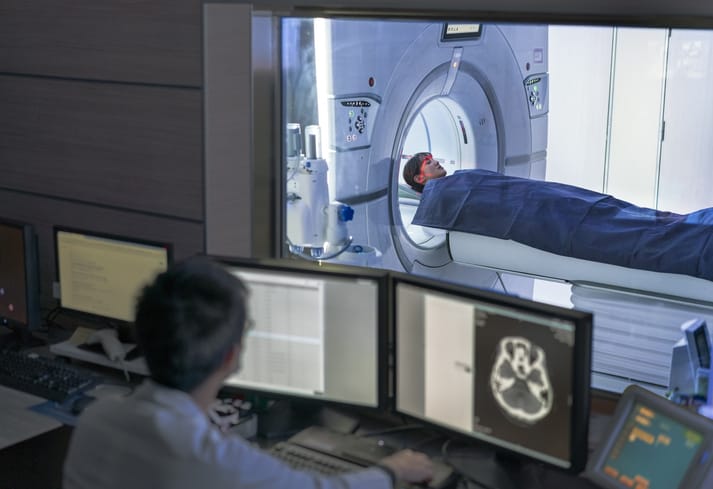
Advances in radionuclide imaging and emerging therapies have improved diagnosis and management of ATTR-CM.

Researchers identified factors that can accurately predict patients with wild-type ATTR-CM who are at high risk of early death.

A study found that tafamidis may reduce levels of a diagnostic marker of ATTR-CM, but the effects appear to plateau over time.

Treatment advances such as RNA silencing and gene-editing technologies offer hope to improve outcomes for patients with ATTR-CM.

Minimal versatile genetic perturbation technology showed promise in addressing genetic diseases such as ATTR-CM.

Researchers found no significant difference in the structure of amyloid fibrils accumulated in different organs in a patient with ATTR-CM.

The tests could detect cardiac nerve fiber abnormalities before symptom onset in ATTR-CM, which could lead to earlier treatment.

