
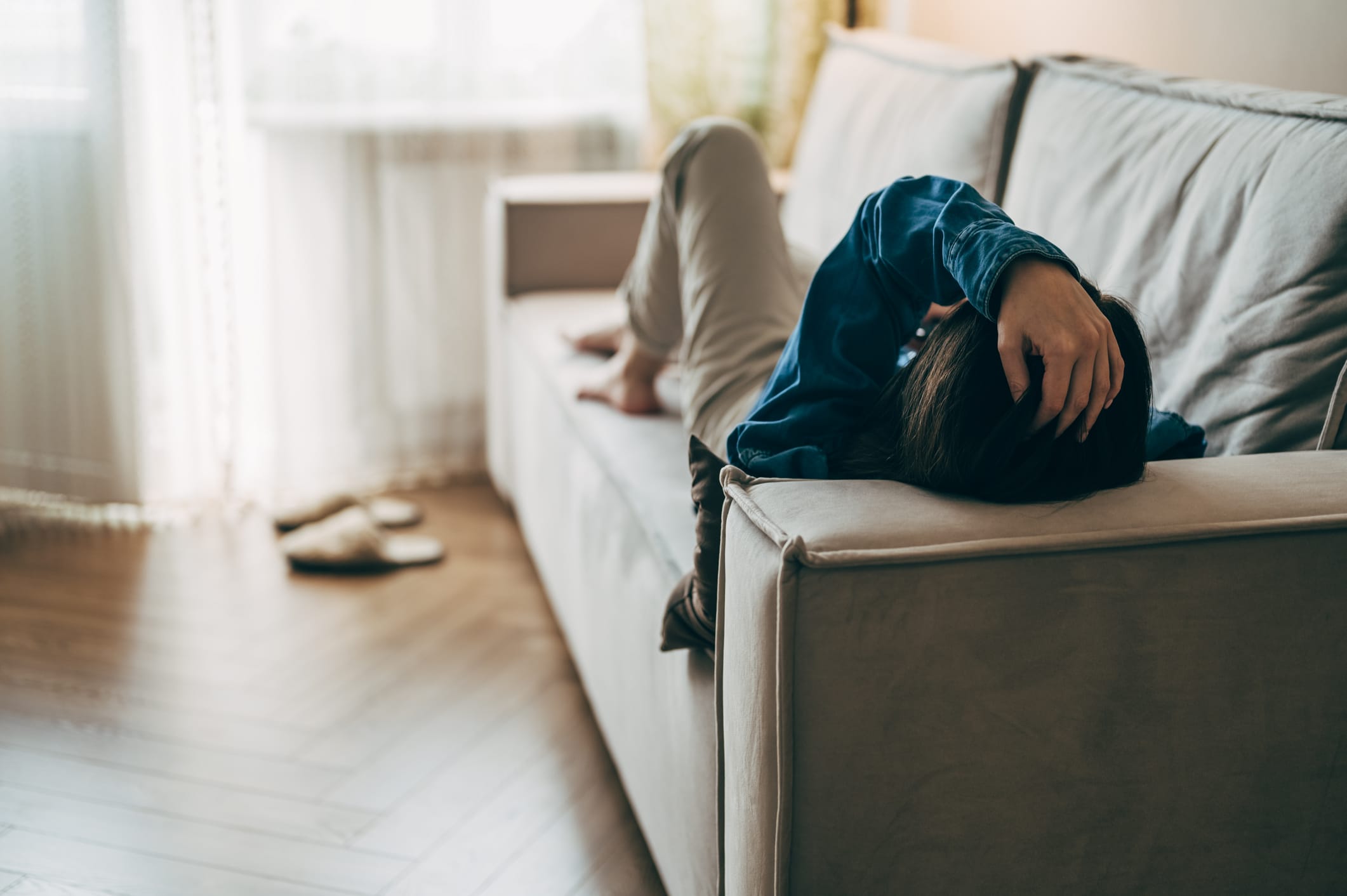
When people hear the word fatigue, they often think of being tired after a long day. Maybe you stayed up too late. Maybe you worked too hard. Maybe you just need a good night’s sleep. But the fatigue that comes with hereditary transthyretin amyloid cardiomyopathy (ATTR-CM) is something entirely different.
I am 48 years old. Older, yes — but certainly not elderly. And yet some days the exhaustion I feel is relentless. It’s the kind of fatigue that settles deep into your body and refuses to let go. There are days when I feel like I am slowly becoming a shell of the person I once was.
Do I want to meet friends for dinner?
Yes.
Do I have the energy to meet them?
Often, no.
That is one of the quiet realities of living with this disease. The desire to live your life is still there, but your body doesn’t always cooperate. Some mornings begin with hope. I wake up feeling good enough to start something — maybe a project around the house, cleaning, organizing or working on something that needs to be done. For a moment, it feels like normal life. Then somewhere halfway through, the energy simply disappears. It’s not gradual. It’s not predictable. It just stops.
The unfinished project sits there as a reminder of what I thought I could do that day. And if I’m honest, sometimes I get angry at myself — as if I should somehow be able to will this fatigue away. But this kind of fatigue doesn’t respond to determination.
ATTR doesn’t stop because life gets messy. It doesn’t slow down when stress shows up. It doesn’t pause when responsibilities pile up or when people need you.
It simply stays the course. From the outside, people often say the same thing: “You look so good.” And in many ways, that’s true. ATTR doesn’t always show itself in obvious ways. But inside, a very different conversation is happening. Sometimes I find myself deciding whether I am actually thirsty enough to justify the effort of getting up and walking to the kitchen for a drink. That might sound strange to someone who has never experienced this level of fatigue. But when your energy is limited, even the smallest tasks become decisions. Every movement becomes a calculation.
For me, ATTR is not just a diagnosis. It is part of my family’s story. Sixteen years ago, my dad passed away from this disease. At the time, there were no treatments for him. He faced ATTR in a world that did not yet have the medical advances we see today. Now I am the one living with the disease. And my sister carries the gene as well. She is currently in a clinical trial — fighting this disease before symptoms even begin. In many ways, it feels like we are picking up where my dad left off. Our family is living in three different chapters of the same story: the past, the present and the future of this disease.
Right now I find myself in a space where I am trying to learn something that no one really teaches you. How do you live life fully when your body doesn’t always cooperate? I want to make memories. I want to say yes to things. I want to live the life in front of me. But I also don’t want to spend weeks recovering because I pushed too hard on a good day. Finding that balance is one of the hardest parts of living with ATTR. The fatigue is physical, but the toll is also emotional and mental. It wears on you in ways people often cannot see.
There are days when the fatigue feels overwhelming. Days when frustration creeps in and I wonder how much smaller my world will become if my body keeps slowing down. But my faith reminds me that my life is not defined by what this disease takes from me. God has walked my family through this disease before, and He is walking with us through it again. There are moments when I have to remind myself that even on the days when my body is weak, my purpose is not gone. My story is not over. And this disease does not get the final word. Some days faith looks like strength. Other days faith looks like simply getting through the day and trusting that God is still at work in the middle of the struggle.
ATTR may slow my pace, but it hasn’t taken away my desire to live. I still want to laugh with friends. I still want to make memories with my family. I still want to keep fighting for better treatments and, someday, a cure. Because if my dad’s generation carried this fight without options, and my sister’s generation is helping shape the future through research, then my role is to keep telling the story.
Even on the tired days.
Especially on the tired days.
Sign up here to get the latest news, perspectives, and information about ATTR-CM sent directly to your inbox. Registration is free and only takes a minute.

